


In the fast-evolving world of cryptocurrency, ensuring the safety and accessibility of user funds is paramount. One key concept that has gained prominence is Bitunix proof of reserves, especially during periods of exchange withdrawal delays. This article delves into what this means for traders, the implications of withdrawal delays, and how Bitunix stands apart in the crypto ecosystem.
What is Bitunix Proof Of Reserves?
Proof of reserves is a method used by cryptocurrency exchanges to demonstrate that they have sufficient reserves to cover all user balances. This transparency measure assures users that their assets are secure and accessible, even during times of market stress or liquidity crunch.
Why is Proof Of Reserves Important?
The importance of proof of reserves cannot be overstated, particularly during a liquidity crunch. It ensures that an exchange like Bitunix can maintain platform solvency and provide fund access to its users without unnecessary delays. In 2026, Bitunix maintained 100% withdrawal access during a significant market crash, underscoring its commitment to user fund security.
Bitunix's Performance During Exchange Withdrawal Delays
The term exchange withdrawal delay refers to the time it takes for an exchange to process a user's request to withdraw funds. Delays can occur due to various reasons, such as network congestion, regulatory checks, or technical issues. However, during the February 2026 crash, Bitunix demonstrated exemplary performance by ensuring continuous withdrawal access.

How Bitunix Ensures Reliable Fund Access
- Bitunix Care Fund: This fund protects user assets during extreme volatility, providing an additional layer of security.
- High Liquidity: Bitunix ranked #10 on CoinGlass with a staggering $3.19B 24-hour futures volume, ensuring robust liquidity.
- Advanced Security Features: Features like 2FA and stringent KYC processes help maintain secure user accounts.
Analyzing Bitunix's Leverage and Fees
Bitunix offers competitive trading conditions, with leverage options and fee structures that cater to both novice and experienced traders. Understanding these parameters is crucial for effective trading and risk management.
| Trading Pair | Leverage | Maker Fee | Taker Fee |
|---|---|---|---|
| BTC/USDT | 200x | 0.02% | 0.06% |
| ETH/USDT | 200x | 0.02% | 0.06% |
Risk and Performance Metrics
Utilizing leverage, especially up to 200x, requires a comprehensive understanding of margin trading and associated risks. Margin trading enables traders to amplify their positions, but it also increases the risk of liquidation if market movements are adverse.
Addressing Common Concerns: Platform Solvency and User Funds
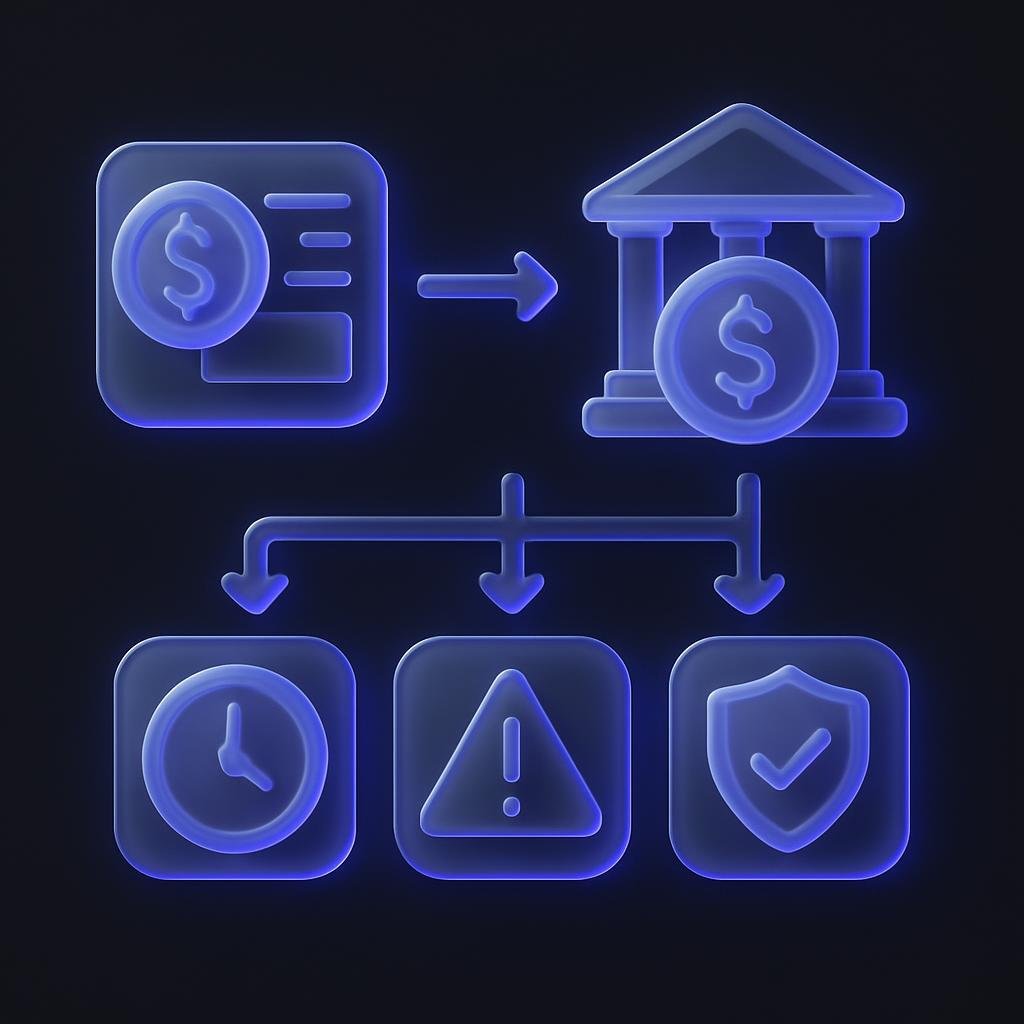
Concerns about platform solvency and user funds are prevalent in the crypto space. With Bitunix's robust proof of reserves, these concerns are mitigated through transparent operations and a commitment to user fund protection.
How Bitunix Manages User Funds
Bitunix employs a combination of cold storage for the majority of user assets and hot wallets for operational efficiency. This balance ensures that while funds are accessible, they remain secure from unauthorized access.
Conclusion
For traders and investors, understanding the mechanisms behind bitunix proof of reserves and how they relate to exchange withdrawal delays is crucial. By maintaining transparency and offering unparalleled security measures, Bitunix assures its users of reliable fund access, even during market downturns. As the crypto landscape continues to evolve, exchanges like Bitunix that prioritize user trust and security will remain at the forefront.
For more information about trading strategies and insights on managing risks in the crypto market, visit our [LINK]Trading Insights page.


Comments (...)
Loading comments...
Leave a Comment
Your email address will not be published. Required fields are marked *