


In the rapidly evolving world of cryptocurrencies, ensuring the safety of your assets is paramount. With recent events like Binance freezing withdrawals twice in February 2026 during a market crash, many investors are left questioning: is my crypto safe on exchange? This article delves into the risks and safety measures associated with storing cryptocurrencies on exchanges, helping you make informed decisions about your digital assets.
Understanding the Risks: Exchange Insolvency and Withdrawal Freezes
Exchange insolvency risk has become a significant concern after the collapse of FTX in 2022, which led to billions of dollars in user losses. This highlights the importance of evaluating the safety of your chosen crypto exchange. The primary risks include counterparty risk, withdrawal freezes, and potential insolvency.
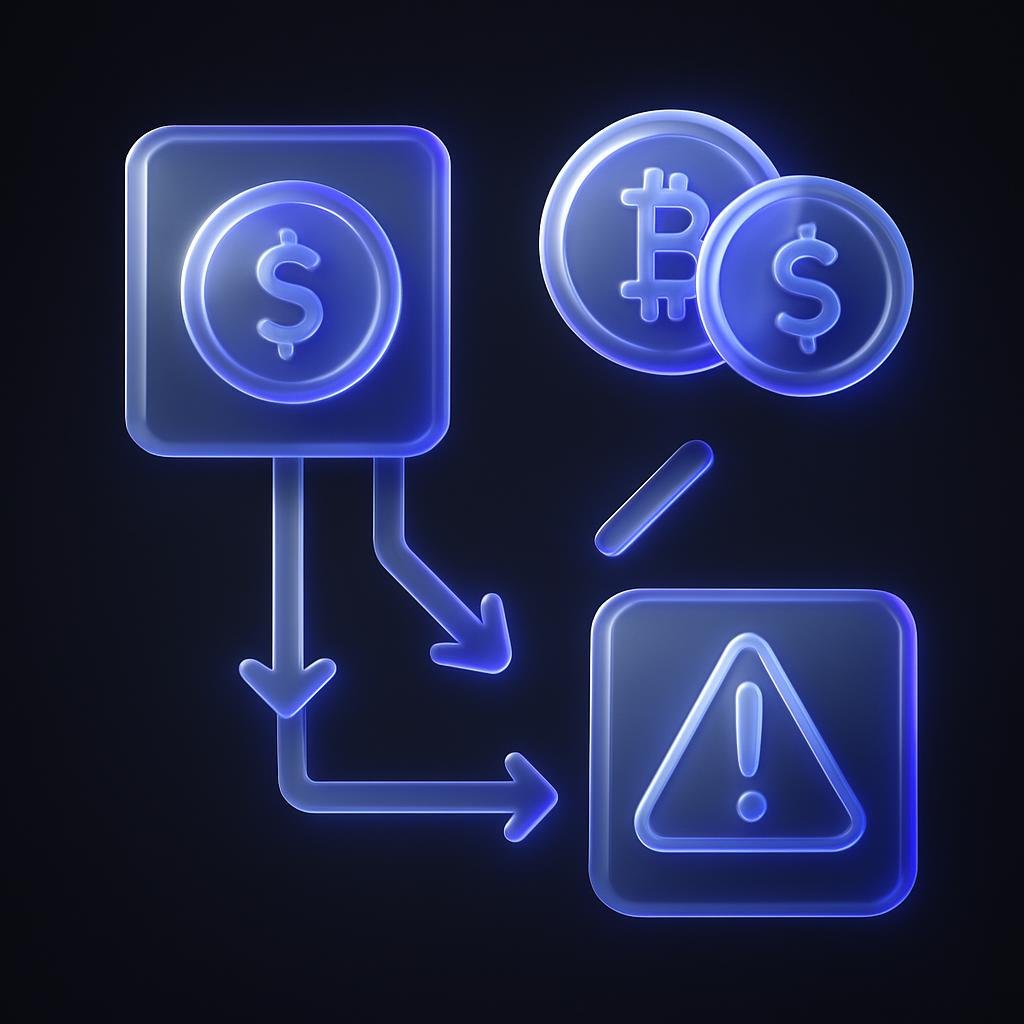
| Event | Impact |
|---|---|
| Binance Withdrawal Freeze (Feb 2026) | Twice in 3 days |
| FTX Collapse (2022) | Cost users billions |
Proof of Reserves: A Beacon of Trust
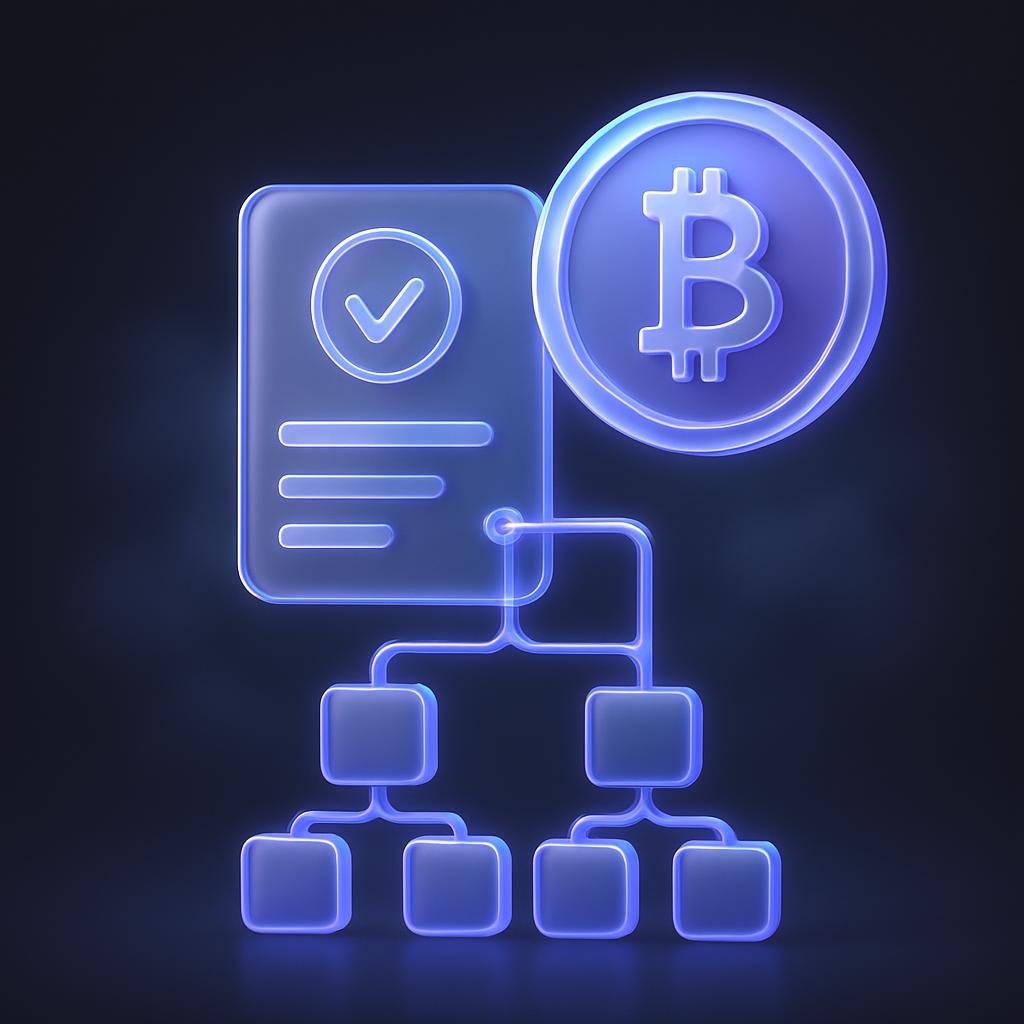
To mitigate these risks, some exchanges have adopted Proof of Reserves (PoR) mechanisms. PoR allows users to verify an exchange’s solvency independently, ensuring that the exchange holds sufficient assets to cover all customer balances. Bitunix employs a Merkle tree PoR, verifiable on platforms like DeFiLlama and CoinGecko, providing transparency and trustworthiness.
Security Measures: Cold Storage and Multi-Signature Wallets
Another layer of security involves the custody model used by exchanges. Bitunix, for instance, uses a combination of Fireblocks and Cobo multi-signature cold storage solutions, which are audited by Hacken. This setup ensures that a significant portion of assets are stored offline in cold storage, reducing the risk of cyber threats.
Should You Move Your Crypto Off an Exchange?
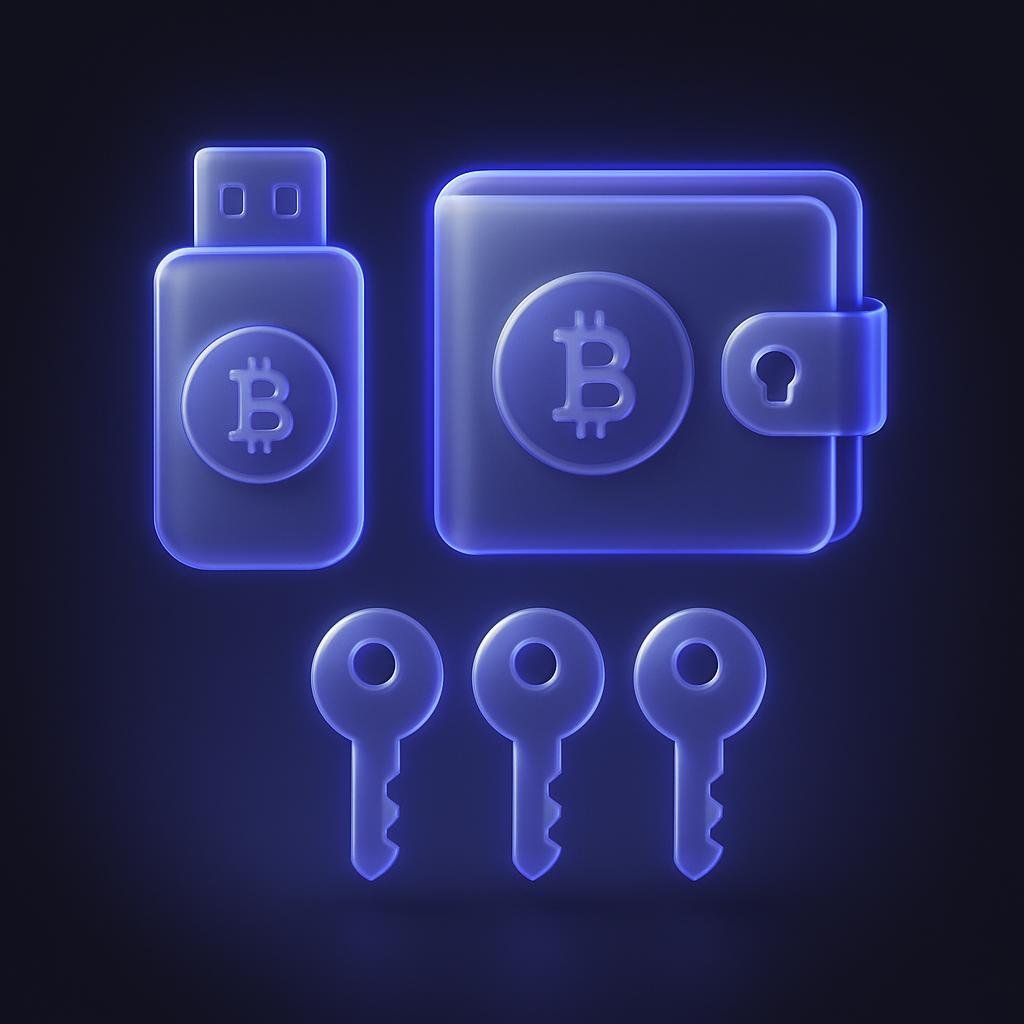
Given the potential risks, you might wonder, should I withdraw crypto from exchange? The answer depends on your risk tolerance and investment strategy. Moving assets to a hardware wallet or practicing self-custody with private and public keys ensures that you maintain full control over your assets, adhering to the adage, not your keys, not your coins.
Evaluating Exchange Safety in 2026
As the cryptocurrency landscape evolves, so too do the safety protocols of exchanges. Here are some key considerations to assess exchange safety in 2026:
- Proof of Reserves: Ensure the exchange provides verifiable PoR.
- Security Protocols: Look for multi-signature and cold storage solutions.
- Regulatory Compliance: Verify adherence to KYC and AML standards.
- Reputation and Track Record: Consider past incidents like withdrawal freezes and how they were handled.
Choosing the Safest Way to Store Crypto in 2026
To determine the safest way to store your crypto, consider if you are comfortable with the potential risks of leaving your assets on an exchange. If not, transferring them to a hardware wallet or other secure methods of self-custody might be beneficial.
Conclusion: Stay Informed and Secure
In conclusion, while exchanges offer convenience and liquidity, the question is my crypto safe on exchange during volatile times remains crucial. By understanding the risks, utilizing tools like PoR, and considering self-custody options, you can better safeguard your investments. Stay informed, stay secure, and make the best decisions for your financial future.


Comments (...)
Loading comments...
Leave a Comment
Your email address will not be published. Required fields are marked *