


The cryptocurrency market operates in distinct cycles, and understanding when altcoin season begins can mean the difference between substantial gains and missed opportunities. As Bitcoin dominance fluctuates and market sentiment shifts, alternative coins often experience explosive growth periods that savvy traders have learned to anticipate and capitalize on.
In this comprehensive guide, we'll explore the mechanics behind alt season, examine historical patterns, and provide you with the tools needed to identify when the next altcoin rally might begin. Whether you're a seasoned trader or new to cryptocurrency markets, understanding these cycles is crucial for portfolio optimization.
What Is Altcoin Season?
Altcoin season, commonly referred to as alt season, describes a market phase where alternative coins significantly outperform Bitcoin. During these periods, capital flows from Bitcoin into smaller-cap cryptocurrencies, creating substantial price appreciation across the broader market.
The phenomenon typically occurs when Bitcoin's price stabilizes or experiences sideways movement, allowing traders to seek higher returns in alternative investments. This market rotation can last weeks or months, depending on various market conditions and investor sentiment.
Key Characteristics of Alt Season
- Bitcoin dominance decline: BTC's market share drops as alternative coins gain value
- Increased trading volume: Higher activity across altcoin markets
- Broader market participation: More cryptocurrencies experience significant gains
- Risk-on sentiment: Investors become more willing to explore speculative assets
Historical Altcoin Season Patterns
Analyzing past market cycles reveals consistent patterns that help predict future altcoin rallies. Understanding these historical trends provides valuable context for timing investment decisions.
The 2017-2018 Bull Market
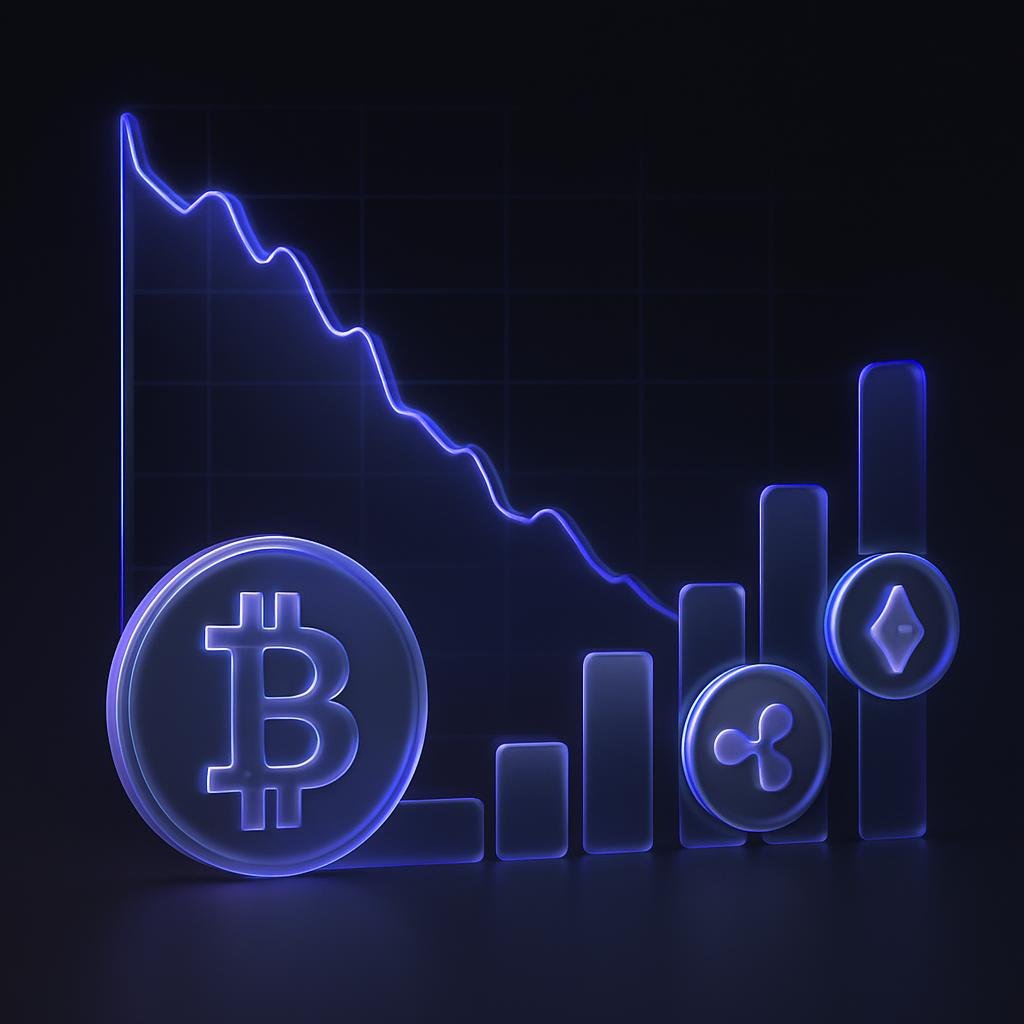
The most famous alt season occurred during late 2017 and early 2018, when Bitcoin dominance fell from over 60% to below 35%. During this period, numerous alternative coins experienced gains of 1000% or more, with Ethereum, Ripple, and other major altcoins reaching all-time highs.
The 2020-2021 Cycle
The DeFi summer of 2020 marked the beginning of a new altcoin cycle, followed by the broader alt season in early 2021. This period saw Bitcoin dominance drop from 70% to 40%, while alternative coins like Ethereum, Binance Coin, and Cardano posted massive gains.
Market Rotation Dynamics
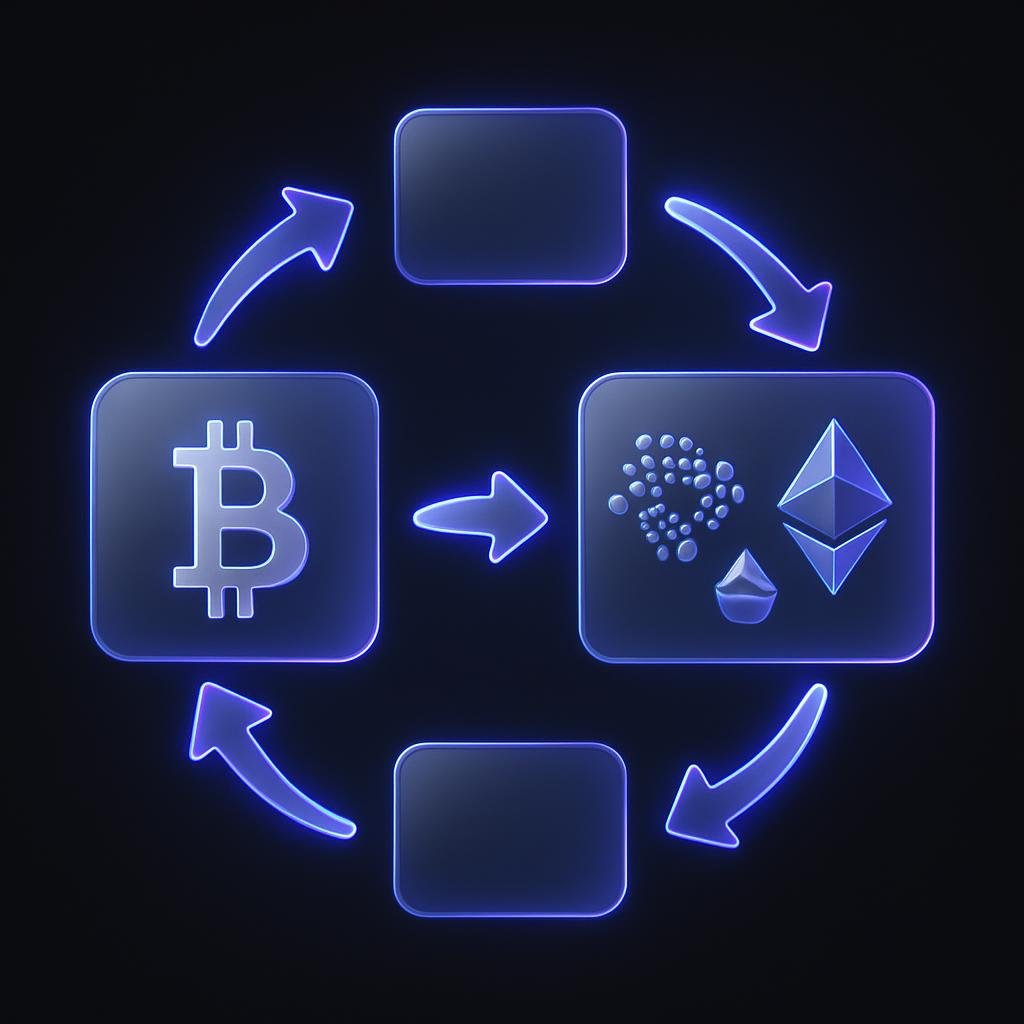
Historical data shows that market rotation typically follows this sequence:
- Bitcoin accumulation phase: BTC gains while altcoins stagnate
- Bitcoin peak and consolidation: BTC price stabilizes at higher levels
- Large-cap altcoin rotation: ETH and other major alternative coins begin outperforming
- Mid-cap and small-cap explosion: Broader altcoin market experiences rapid growth
- Market correction: Cycle resets as profits are taken
Altcoin Season Indicators: How to Spot the Signs
Successful traders use multiple indicators to determine when altseason might begin. These metrics help identify optimal entry and exit points for alternative coin positions.
Bitcoin Dominance Index
The Bitcoin dominance chart is the most reliable indicator for predicting alt season. When BTC dominance begins declining from high levels (typically above 60%), it often signals the start of capital rotation into alternative coins.
Key levels to watch:
- Above 65%: Bitcoin-dominated market, altcoins typically underperform
- 50-65%: Neutral zone, market conditions vary
- Below 50%: Strong alt season conditions, alternative coins often outperform
Altcoin Market Cap Ratio
Monitoring the total altcoin market capitalization relative to Bitcoin provides another valuable perspective. When this ratio increases significantly, it indicates growing interest in alternative investments.
Trading Volume Analysis
Increasing trading volume across altcoin markets often precedes major price movements. Pay attention to:
- Relative volume spikes in major alternative coins
- Cross-exchange volume distribution
- Institutional trading activity indicators
Social Sentiment Metrics
Social media sentiment and search trends can provide early signals of changing market dynamics. Tools that track mentions, sentiment scores, and search volume for alternative coins help gauge retail interest levels.

Is Altcoin Season Coming? Current Market Analysis
Determining is altcoin season coming requires analyzing current market conditions against historical patterns. Several factors influence the timing and intensity of alt seasons.
Macroeconomic Factors
Global economic conditions significantly impact cryptocurrency markets. Consider these elements:
- Interest rates: Lower rates typically favor risk assets like alternative coins
- Inflation concerns: High inflation can drive investment into cryptocurrencies
- Regulatory environment: Clear regulations often boost market confidence
- Institutional adoption: Corporate and institutional interest affects market dynamics
Technical Analysis Signals
Chart patterns and technical indicators across major alternative coins provide insights into potential breakout scenarios. Key patterns to monitor include:
- Accumulation patterns in large-cap altcoins
- Breaking resistance levels after extended consolidation
- Relative strength compared to Bitcoin
- Volume confirmation of price movements
On-Chain Metrics
Blockchain data offers unique insights into market conditions:
- Active addresses: Increasing user activity across altcoin networks
- Transaction volume: Higher on-chain activity indicates growing usage
- Developer activity: Continued development suggests long-term viability
- Staking participation: Higher staking rates can reduce selling pressure
Trading Strategies for Altcoin Season
Successful navigation of alt season requires strategic planning and disciplined execution. Different approaches suit various risk tolerances and investment timeframes.
Portfolio Diversification Strategy
Rather than betting on individual coins, diversification across multiple alternative coins can reduce risk while capturing broader market movements. Consider allocating funds across:
- Large-cap altcoins: Ethereum, Cardano, Solana (30-40% of altcoin allocation)
- Mid-cap alternatives: Emerging platforms and protocols (40-50%)
- Small-cap speculative plays: High-risk, high-reward opportunities (10-20%)
Dollar-Cost Averaging (DCA)
Systematic investment during market rotation phases helps smooth out volatility and reduce timing risk. DCA strategies work particularly well when combined with technical analysis for entry point optimization.
Momentum Trading
Experienced traders often use momentum strategies to capitalize on rapid price movements during alt season. This approach requires:
- Quick identification of breakout patterns
- Strict risk management protocols
- Profit-taking discipline
- Continuous market monitoring
Swing Trading Approach
Swing trading alternative coins during alt season can be highly profitable for those who can identify short to medium-term trends. Key considerations include:
- Technical analysis skills
- Understanding of market cycles
- Patience for optimal entry/exit points
- Risk management techniques
Risk Management During Alt Season
While altcoin rallies can generate substantial returns, they also carry significant risks. Proper risk management is essential for long-term success.
Position Sizing
Never allocate more capital than you can afford to lose to speculative alternative coin positions. A common rule is limiting altcoin exposure to 10-20% of your total investment portfolio.
Stop Loss Orders
Implementing stop loss orders helps protect against major downturns. Consider using trailing stops to lock in profits as positions move favorably.
Profit Taking Strategy
Develop a systematic approach to profit taking:
- Take partial profits at predetermined levels
- Rebalance positions regularly
- Maintain some exposure for continued upside
- Consider tax implications of trading decisions
Market Cycle Awareness
Remember that alt seasons don't last forever. Historical patterns show that these periods typically end with sharp corrections, making exit strategy planning crucial.
Tools and Platforms for Alt Season Trading
Having the right tools and platforms is crucial for successfully navigating altcoin season. Consider these essential resources:
Trading Platforms
Choose exchanges that offer:
- Wide selection of alternative coins
- Advanced trading features
- Competitive fee structures
- Strong security measures
- Reliable customer support
Analysis Tools
Effective market analysis requires quality tools:
- Charting platforms: TradingView, Coinigy for technical analysis
- On-chain analytics: Glassnode, Santiment for blockchain data
- Portfolio tracking: CoinTracker, Blockfolio for position management
- News aggregators: CryptoPanic, CoinDesk for market updates
Risk Management Tools
Automated tools can help maintain discipline:
- Stop loss and take profit orders
- Portfolio rebalancing tools
- Alert systems for price movements
- Tax calculation software
Common Mistakes to Avoid
Learning from common mistakes can significantly improve your alt season performance:
FOMO-Driven Decisions
Fear of missing out often leads to poor timing and excessive risk-taking. Stick to your predetermined strategy rather than chasing pumps.
Lack of Research
Not all alternative coins are created equal. Thorough research into project fundamentals, team backgrounds, and market potential is essential.
Ignoring Market Cycles
Failing to recognize when alt season is ending can result in giving back substantial gains. Stay aware of cycle dynamics and market sentiment shifts.
Over-Leveraging
Using excessive leverage during volatile periods can lead to rapid account depletion. Conservative position sizing is key to long-term success.
Future Outlook for Altcoin Seasons
As the cryptocurrency market matures, altcoin seasons may evolve in character and frequency. Several trends are shaping future market dynamics:
Institutional Adoption
Growing institutional interest in alternative coins could lead to more sustained and less volatile alt seasons, as professional investors bring longer-term capital to markets.
Regulatory Clarity
Clearer regulatory frameworks worldwide may reduce uncertainty and encourage broader participation in altcoin markets.
Technology Development
Continued innovation in blockchain technology, DeFi protocols, and other applications will likely create new categories of alternative coins and investment opportunities.
Market Structure Evolution
As markets mature, the relationship between Bitcoin and alternative coins may change, potentially altering traditional alt season patterns.
Conclusion
Understanding altcoin season dynamics is crucial for anyone serious about cryptocurrency investing. By recognizing the indicators that signal when alt rallies begin, implementing proper risk management strategies, and maintaining discipline throughout market cycles, traders can position themselves to benefit from these profitable periods.
Remember that successful alt season trading requires patience, research, and emotional discipline. While the potential for significant returns exists, so does the risk of substantial losses. Always invest responsibly and never risk more than you can afford to lose.
The key to long-term success lies in understanding market cycles, maintaining diversified exposure to quality projects, and having a clear exit strategy. As the cryptocurrency market continues to evolve, those who master these principles will be best positioned to capitalize on future altcoin seasons.
Stay informed about market developments, continue learning about new projects and technologies, and remember that in the volatile world of cryptocurrency trading, preparation and discipline often matter more than perfect timing.


Comments (...)
Loading comments...
Leave a Comment
Your email address will not be published. Required fields are marked *